Fire Extinguisher Certification Near Me

A fire extinguisher certification tag is more than a sticker. It's proof that your equipment meets NFPA 10 standards, passes Florida Fire Marshal requirements, and protects your business from liability. Without it, you're exposed to fines, failed inspections, and insurance complications.

Proof of Compliance

Annual certification tag shows fire marshal you meet NFPA 10 requirements. Non-negotiable for commercial buildings.

Insurance Protection

Missing certification tags void insurance coverage in case of fire. Your policy depends on it.

Liability Shield

Certified extinguishers protect you legally. Without certification, you're liable in case of fire damage.

Valid for 12 Months

Each tag is dated and signed by a certified technician. Valid for one full year from inspection date.

Get certified today: Walk-in service in St. Petersburg. Serving all of Florida. Call (727) 620-3473.
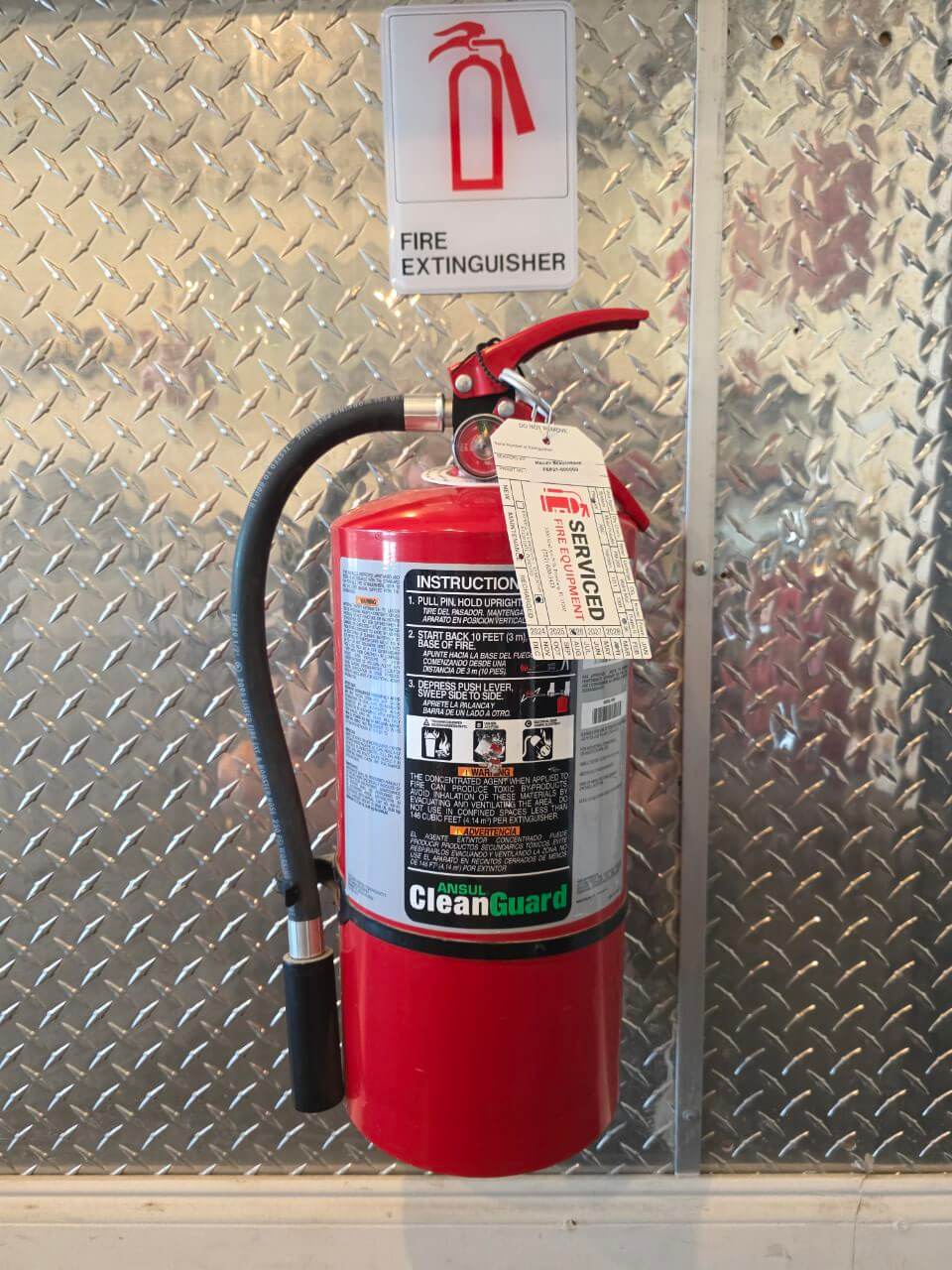
Fire extinguisher certification tagging in Florida

Every certified extinguisher leaves with a dated NFPA tag — proof of compliance

What Requires Certification & How Often

Not all fire equipment is certified the same way. Different types of extinguishers, suppression systems, and cylinders have different inspection intervals and requirements under NFPA 10, DOT, and other standards.
Portable ABC and CO2 fire extinguisher certification

Portable Extinguishers (ABC, CO₂, etc.)

Standard dry chemical, CO₂, and pressurized water extinguishers. Monthly visual inspections by facility staff; annual professional maintenance required.

Certification Schedule:

Annual maintenance | Hydrostatic test every 12 years

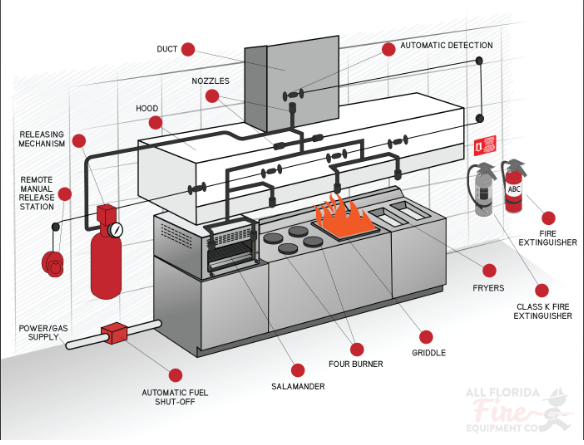
Class K wet chemical fire suppression system certification

Class K Kitchen Systems

Wet chemical extinguishers and hood suppression systems. Required in every commercial kitchen. Certified per NFPA 17A with stricter intervals than standard extinguishers.

Certification Schedule:

Annual maintenance | 5-year hydrostatic test & internal exam

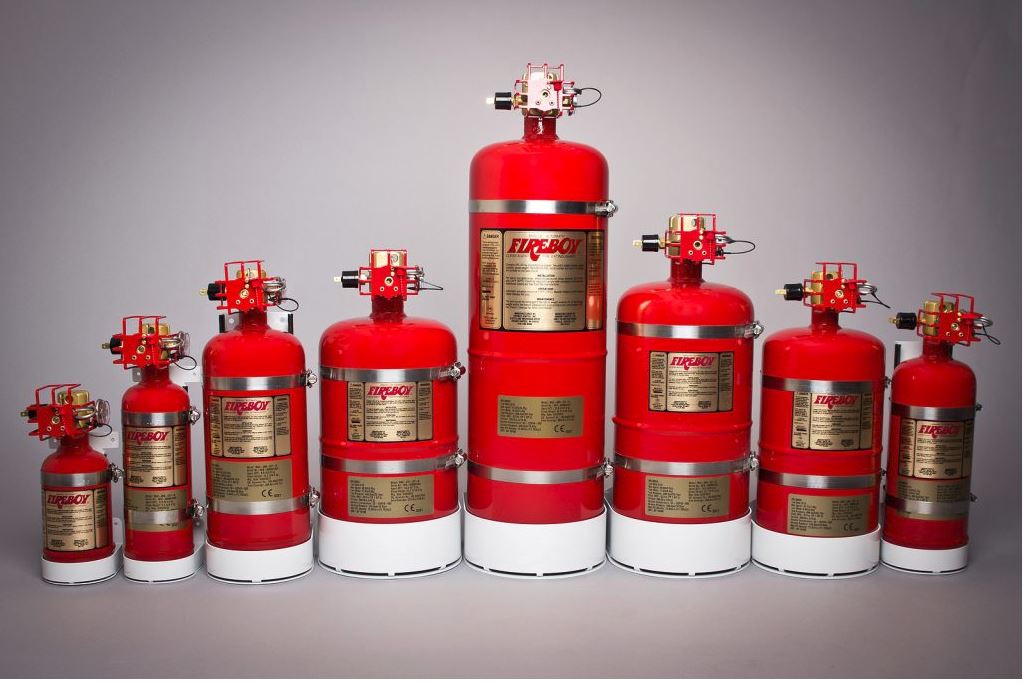
Marine fire suppression system certification

Marine Fire Systems (USCG-Approved)

Fireboy, Sea-Fire, Kidde engine room suppression systems. USCG and NFPA 302 certified. Required for commercial vessels and engine room protection.

Certification Schedule:

Annual inspection & certification | 6-year full service & recharge

Paint booth fire suppression system certification

Paint Booth Systems (NFPA 33)

Dry chemical, CO₂, and automatic sprinkler suppression. Mandatory for automotive and industrial spray operations. Follows NFPA 13 Extra Hazard Group 2 standards.

Certification Schedule:

Per manufacturer & local AHJ | Portable extinguishers: NFPA 10

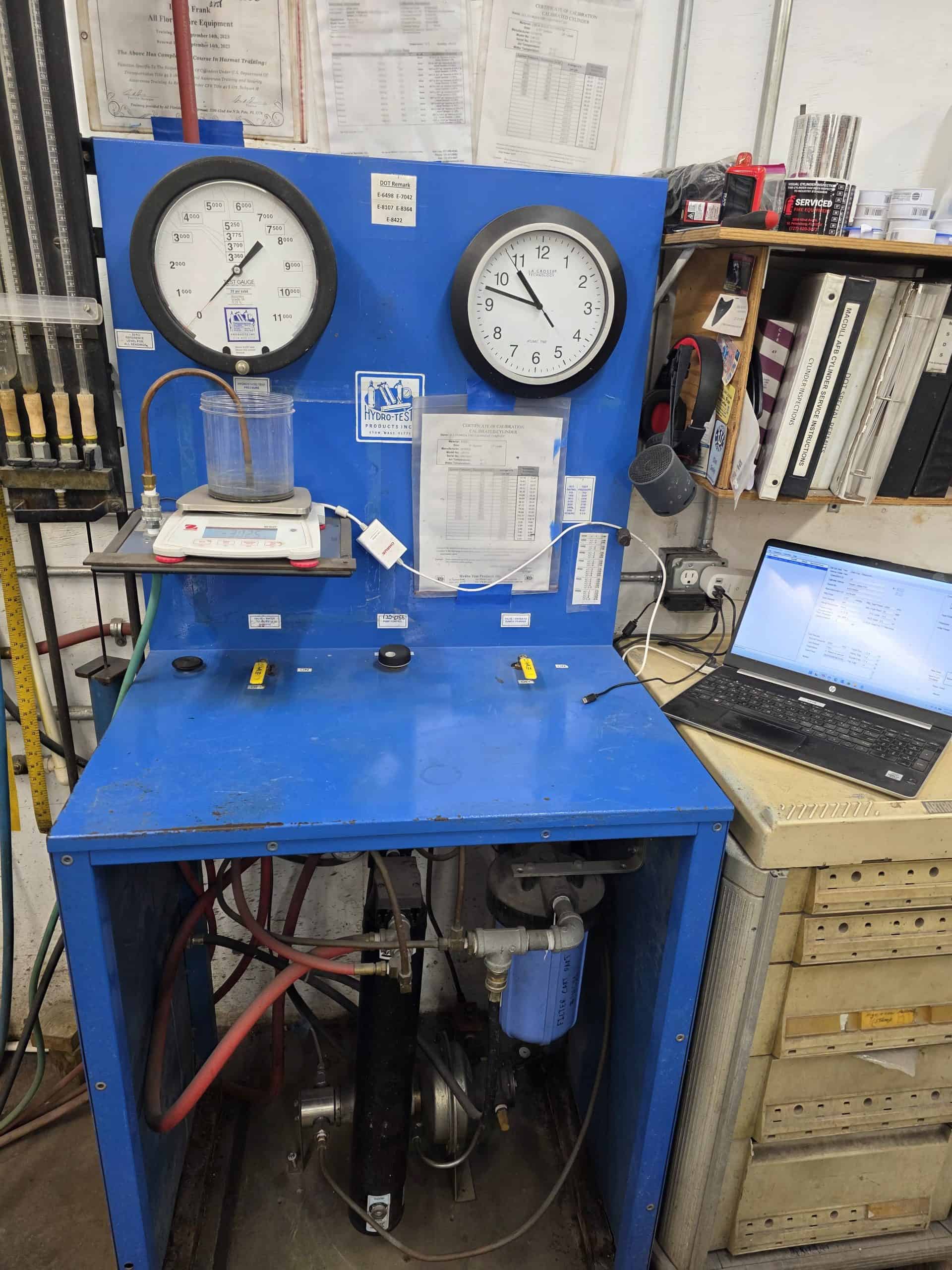
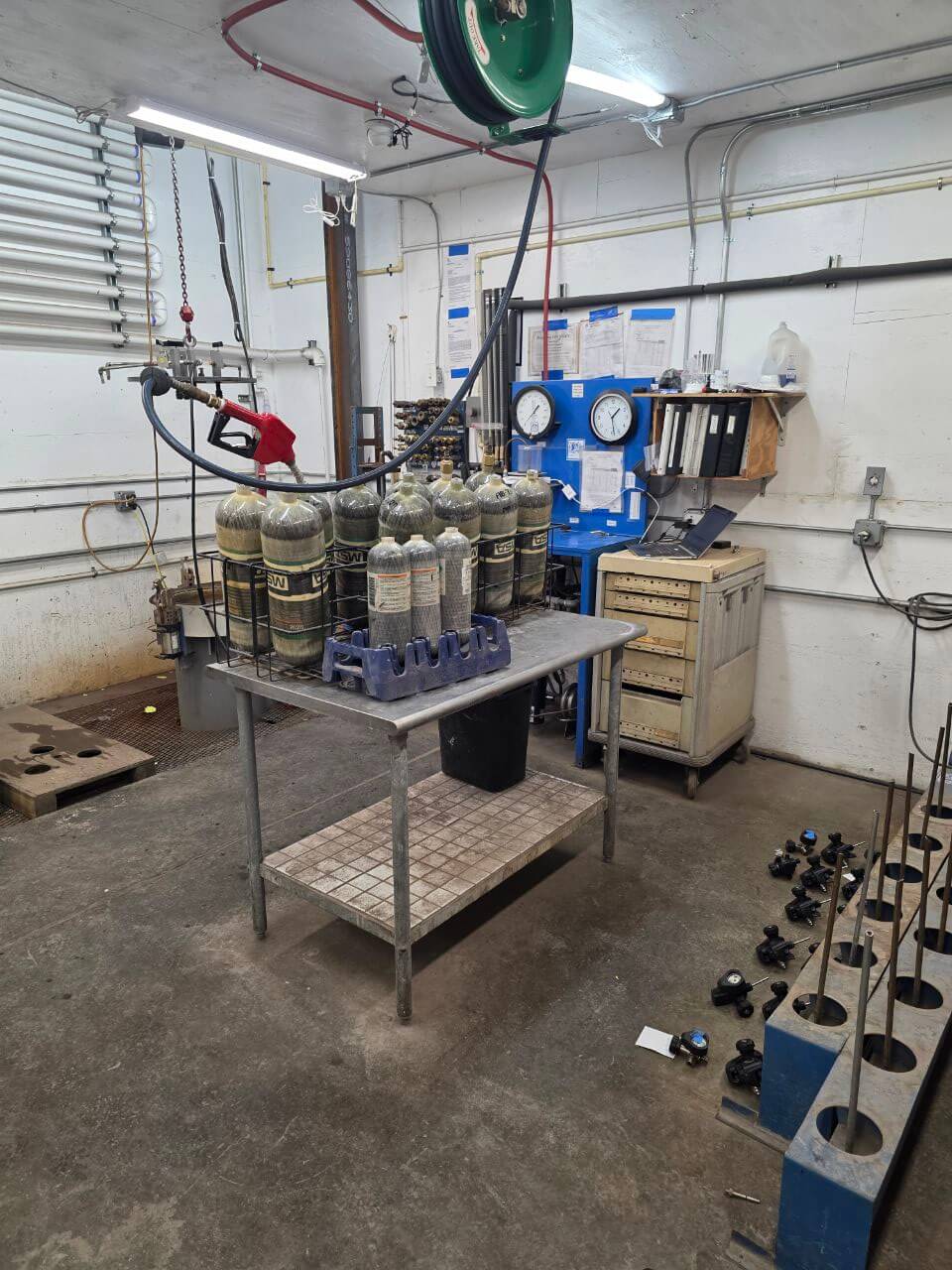
DOT hydrostatic testing for fire suppression cylinders

Hydrostatic Testing Cylinders

DOT-certified pressure testing for CO₂, fire suppression system cylinders, and specialty gas bottles. Required by 49 CFR 180.209.

Certification Schedule:

Every 5 years (DOT required)

SCUBA tank hydrostatic testing certification

SCUBA & SCBA Cylinder Testing

Dive cylinders and self-contained breathing apparatus tanks. DOT-certified testing ensures structural integrity for high-pressure underwater use per 49 CFR 180.209.

Certification Schedule:

Annual visual inspection | Every 5 years: Hydrostatic test (DOT required)

Bottom Line: Know Your Requirements

Different equipment has different certification requirements under NFPA 10, DOT regulations, and manufacturer specifications. Missing even one deadline can result in fines, failed inspections, and insurance denial. Class K systems require more frequent hydrostatic testing (5 years) than standard ABC extinguishers (12 years). Marine systems follow USCG/NFPA 302 standards. Paint booth systems must comply with NFPA 33. The safest approach: maintain a certified inventory and schedule annual service with a trusted, knowledgeable provider. Call (727) 620-3473 to establish a compliance schedule tailored to your equipment.

How Fire Extinguisher Inspection, Maintenance & Testing Works

NFPA 10 requires three distinct levels of care: monthly visual inspections, annual maintenance, and periodic hydrostatic testing. Each serves a different purpose and requires different skills.

👁️

Monthly Inspection

Per NFPA 10 Chapter 7.2

What's Checked:

  • Extinguisher location & accessibility
  • Pressure gauge in green zone
  • Safety pin & tamper seal intact
  • No visible damage or corrosion
  • Not obstructed or tampered with

Who: Facility staff (no cert required)

Every 30 days minimum

🔧

Annual Maintenance

Per NFPA 10 Chapter 7.3

What's Done:

  • Full internal examination
  • Check all mechanical parts
  • Refill or recharge agent
  • Test discharge mechanism
  • Apply new service tag

Who: Certified technician (NICET/ICC-NAFED)

Every 12 months

💧

Hydrostatic Testing

Per NFPA 10 Chapter 8

What Happens:

  • Pressurize to 5/3 test pressure
  • Measure cylinder expansion
  • Check internal/external condition
  • Pass = stamp & return to service
  • Fail = cylinder condemned

Who: Specialized facility (DOT/NFPA certified)

Every 5–12 years (type dependent)

Maintenance & Testing Schedule by Extinguisher Type

Extinguisher Type Annual Maintenance Internal Exam Hydrostatic Test
ABC Dry Chemical Yes Every 6 years Every 12 years
Class K (Wet Chemical) Yes Every 5 years Every 5 years
CO₂ Yes Every 5 years Every 5 years
Water/Foam Yes Every 5 years Every 5 years
Cartridge-Operated Yes (annual) Every year Every 12 years

The Service Tag Is Proof of Compliance

After annual maintenance, a verification-of-service collar (metal tag) is installed on the extinguisher neck. It shows the service date, next due date, technician name, and company—this proves you met NFPA 10 requirements. Tags cannot be removed without breaking the valve assembly, preventing tampering. During fire marshal inspections and insurance audits, this tag is the first thing checked. Without current tags, your facility is non-compliant, even if maintenance was performed. Keep detailed records of all inspections, maintenance, and testing dates. Digital records or spreadsheets help track 6-year and 12-year deadlines across your entire inventory.

Why Equipment Fails Certification & Common Non-Compliance Issues

Fire marshal inspections find the same problems again and again. Missing tags, overdue hydrostatic tests, wrong equipment types, and corrosion are the leading causes of non-compliance. Here's what puts your facility at risk.

Equipment That Fails Testing

❌ Internal Corrosion or Pitting

Corrosion inside the cylinder weakens the pressure vessel. During hydrostatic testing, pitting or wall thickness loss exceeding 10% causes immediate failure. Equipment is condemned and cannot be repaired or refilled. Cause: moisture trapped inside, saltwater exposure, or improper storage. Prevention: ensure drains are open during testing, maintain proper storage conditions, and keep extinguishers away from salt spray or high-humidity areas.

❌ Soldering, Welding, or Patching Repairs

Any attempted repair using solder, welding, brazing, or patching compounds automatically fails hydrostatic testing. These repairs weaken the cylinder structure and create stress points. Equipment must be replaced, not repaired. Cause: attempting DIY fixes or using inexperienced repair shops. Prevention: only use certified fire extinguisher service companies for all repairs.

❌ Damaged Valve Threads or Neck Damage

Threads on the cylinder neck must be in perfect condition to accept a valve. Cracks, burrs, or stripped threads cannot be repaired. Equipment is condemned. Cause: dropped extinguishers, forcing incompatible valves, or rough handling. Prevention: handle carefully and never force valve installation—wrong-fit valves will strip threads immediately.

❌ Deep Dents or Mechanical Damage

Dents that exceed certain dimensions (typically > 1/4 inch deep and > 2 inches long) create structural weak points. Under pressure, these defects can cause rupture. Equipment is condemned. Cause: impact damage during transport or improper storage. Prevention: use protective racks or cabinets and avoid dropping extinguishers.

❌ Fire Damage or Heat Exposure

Exposure to high heat weakens metal and changes its structural properties. Equipment exposed to fire or extreme heat cannot be certified and must be condemned. Cause: extinguisher near heat source or used in actual fire. Prevention: relocate extinguishers away from heat sources and inspect any that were used or exposed to fire.

Non-Compliance That Triggers Citations

🚫 Missing or Illegible Service Tags

Without a current service tag, inspectors cannot verify maintenance was performed. Tags must be legible, dated, and show technician/company information. Missing tags = assumed non-compliance. Fix: have all equipment serviced immediately and ensure tags are applied to all units.

🚫 Overdue Hydrostatic Testing

Equipment past its 5-year or 12-year hydrostatic test date must be immediately removed from service. Cause: loss of tracking, staff turnover, or oversights in scheduling. Fix: implement a maintenance calendar or software that tracks individual equipment by manufacture date. Know your 6-year and 12-year deadlines for each unit.

🚫 Wrong Extinguisher Type for Hazard

Class K extinguishers required in kitchens, Class D for metal fires, ABC for general use. Using B:C-only in an area requiring Class A protection is non-compliant. Fix: conduct a hazard assessment with a certified technician and ensure correct types are installed by fire class.

🚫 Blocked or Inaccessible Equipment

Extinguishers must be visible, accessible, and no more than 75 feet away in commercial spaces. Obstructed, locked, or hidden equipment fails inspection. Fix: install in conspicuous locations, remove obstructions, and ensure signage is visible.

🚫 Improper Mounting Height

For units under 40 lbs, handle must be no higher than 5 feet from ground. Units over 40 lbs must be no higher than 3.5 feet. Too high = users cannot reach during emergency. Fix: remount extinguishers at correct height per NFPA 10.

🚫 No Employee Training Records

NFPA 10 and OSHA require documented employee training on extinguisher use, fire classes, and PASS technique. No records = violation. Fix: conduct training annually and maintain signed attendance sheets.

What Fire Marshals Check During Inspections

Extinguisher Tags & Records

  • Current annual service tags present
  • Next due dates legible and current
  • Maintenance records on file
  • Hydrostatic test dates documented
  • No expired equipment in service

Physical Condition

  • No visible corrosion or damage
  • Pressure gauge in green zone
  • Safety pin & tamper seal intact
  • Labels legible & attached
  • No dents, dents or fire damage

Location & Access

  • Correct type for hazard area
  • Within 75-foot travel distance
  • Mounted at proper height
  • Visible & unobstructed
  • Proper signage installed

Compliance Documentation

  • Employee training records
  • Maintenance contracts on file
  • Inspection schedules & logs
  • Emergency action plan includes extinguishers
  • Annual facility inspection report

What Happens When You're Non-Compliant

Fire marshal citations carry real consequences. Fines range from hundreds to thousands per violation. Insurance carriers may deny claims if fire extinguishers weren't properly maintained. In the event of a fire-related injury or death, failure to maintain compliant equipment can result in personal liability and legal action. Facilities can be ordered to vacate until non-compliance is corrected. The best approach: conduct internal audits annually, track all maintenance and testing deadlines, maintain detailed records, and partner with a certified service provider to stay ahead of requirements. Call (727) 620-3473 to schedule a compliance audit and ensure your equipment meets all NFPA 10 standards.

Credentials

Authorized, Certified, and Verified Since 1999

Federal
DOT-Authorized
Hydrostatic Testing
RIN D133 (PDF)
International
ABS Marine Fire
Suppression Approved
State
Florida State Fire
Marshal Licensed
Class 01 & Class 04
Industry
NAFED & FFEDA
Active Member
Authorized Distributor
Amerex Ansul Buckeye Sea-Fire Fireboy

We Serve These Areas — All Require NFPA 10 Compliance

Whether you're in a commercial kitchen in Sarasota, an industrial facility in Lakewood Ranch, or a retail space in Tampa Bay, fire extinguisher certification requirements are the same. We serve the entire region with certified inspection, maintenance, and testing.

Pasco County

45 minutes from St. Pete. Walk-in service, no travel fees, same-day maintenance and recharge.

→ Learn More

Sarasota

1 hour from St. Pete. Inspection, recharge, Class K systems, marine fire suppression. No service call fee.

→ Learn More

Lakewood Ranch

50 minutes from St. Pete. Inspection, recharge, hydrostatic testing, Class K systems.

→ Learn More

Brandon

30 minutes from St. Pete. Hillsborough County service. Walk-in friendly, annual maintenance & recharge.

→ Learn More

Riverview

Hillsborough County. Inspection, recharge, hydrostatic testing, compliance audits available.

→ Learn More

Pinellas Park

5 minutes from St. Pete. Same-day walk-in service for inspection, recharge, and certification.

→ Learn More

Clearwater

15 minutes from St. Pete. Annual inspection & maintenance, no service call fees.

→ Learn More

Seminole

10 minutes from St. Pete. Quick turnaround on all certification services.

→ Learn More

Dunedin

20 minutes from St. Pete. Full range of inspection and maintenance services.

→ Learn More

Largo

20 minutes from St. Pete. Inspection, recharge, CO₂ refill, hydrostatic testing.

→ Learn More

Tampa

20 minutes from St. Pete. Annual maintenance, recharge, all certification types.

→ Learn More

St. Petersburg

Our home base. Walk-in service, same-day maintenance, on-site hydrostatic testing.

→ Learn More

Palm Harbor

25 minutes from St. Pete. Full inspection and maintenance services.

→ Learn More

Bradenton

45 minutes from St. Pete. Inspection, recharge, hydrostatic testing, Class K systems.

→ Learn More

No matter where you are in Tampa Bay, certification requirements are identical: monthly inspections, annual maintenance, and periodic hydrostatic testing per NFPA 10. We handle all of it. Bring your equipment in or schedule a pickup. (727) 620-3473 — Mon–Fri 8AM–5PM.

Why Serviced Fire Equipment Handles Your Certification Right

Certification isn't just about tagging equipment. It requires expertise, specialized equipment, and accountability. Here's what sets us apart.

🎓

Certified Technicians

Our technicians hold current certifications through ICC/NAFED (Portable Fire Extinguisher Technician) and NICET. We stay current with the 2022 NFPA 10 standard and understand every extinguisher type—ABC, Class K, CO₂, marine systems, and specialty equipment. No guessing. No shortcuts.

Florida Fire Marshal licensed • DOT-certified hydrostatic testing

⚙️

Professional-Grade Equipment

We maintain on-site hydrostatic testing capability with DOT-certified equipment. Internal examinations use manufacturer service manuals specific to each unit. We have the tools, training, and facilities to catch corrosion, pitting, and structural defects that DIY shops miss.

On-site testing • Pressure vessel integrity assured

📋

Complete Documentation

Every unit gets a service tag with month/year, next due date, technician name, and company information. We maintain permanent records of all inspections, maintenance, and testing. If the fire marshal shows up, your documentation proves compliance. We back our work with accountability.

Inspection-ready records • Fire marshal approved

What Makes Us Different

✓ No Service Call Fee

Unlike mobile services that charge travel time, we operate from our St. Petersburg facility. You bring equipment to us, or we coordinate pickup. You only pay for the actual work: inspection, maintenance, testing.

✓ Same-Day Service

Walk-ins welcome. Mon–Fri 8AM–5PM. Most annual maintenance and recharge work completes the same day. For urgent compliance issues, we prioritize. No weeks-long delays.

✓ Tier 1 Amerex Distributor

We're an authorized Amerex distributor, meaning we have direct access to parts, components, and technical resources. If your extinguisher needs repair parts, we get them fast—no backorders, no delays.

✓ Refurbished Inventory for Dealers

If your extinguisher fails hydrostatic testing and cannot be repaired, we have a national wholesale inventory of refurbished extinguishers ready to ship. Dealers and service partners rely on us for fast replacement stock.

✓ Type Expertise Across All Equipment

We service portable extinguishers, Class K kitchen systems, marine suppression systems, paint booth systems, and SCBA cylinders. One certified provider for your entire fire protection inventory.

✓ DOT Hydrostatic Testing On-Site

You don't have to ship cylinders to an out-of-state testing facility. Our DOT-certified equipment and technicians perform hydrostatic testing in-house. Turnaround is fast, documentation is complete, and your cylinders never leave our control.

✓ Compliance Audit Support

Before a fire marshal inspection, we can audit your facility. We identify missing tags, overdue hydrostatic tests, wrong equipment types, and accessibility issues. We help you get compliant before the citation arrives.

✓ In Business Since 1999

25+ years of Tampa Bay fire protection experience. We know local AHJ requirements, fire marshal expectations, and the systems that work for Tampa Bay businesses. Not a startup. Not a franchise. A local partner invested in your safety.

Your Fire Protection Partner

Fire extinguisher certification is serious work. It's not just a tag—it's proof that your equipment will perform when lives depend on it. We treat every inspection, every test, and every certification with the care it deserves. When you choose Serviced Fire Equipment, you're choosing a partner who understands Florida fire code, manages compliance details, and backs our work with accountability. Call (727) 620-3473 today to schedule a certification, discuss your compliance needs, or request a facility audit. Mon–Fri 8AM–5PM. Walk-ins welcome.

Ready to Get Certified?

Bring your extinguishers in or schedule a pickup. Annual maintenance, hydrostatic testing, and compliance audits—all handled by certified professionals.