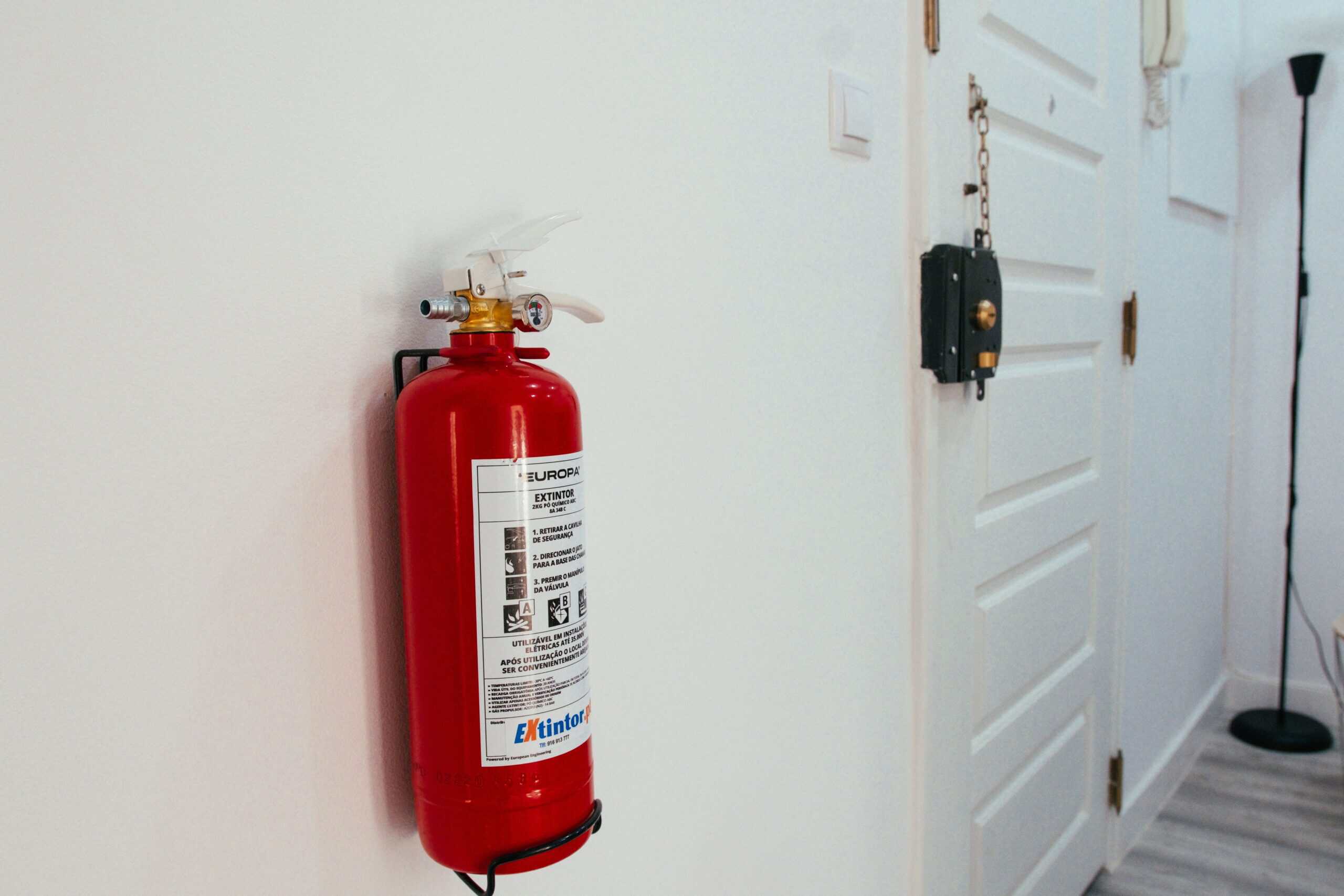
Choosing a fire extinguisher seems simple until you’re standing in front of a rack of options. ABC, CO₂, Class K, clean agent, different sizes, different brands. And trying to figure out which one is right for your specific situation. The wrong choice doesn’t just waste money; it can create dangerous situations. Using a water extinguisher on a grease fire causes the fire to explode outward. Using dry chemical powder on sensitive computer equipment destroys the equipment even if the fire is suppressed. Understanding the selection process properly means understanding fire classes, agent types, ratings, and placement. Florida compliance requirements.
Additionally, This comprehensive guide walks through every dimension of fire extinguisher selection, from the fundamental fire class concepts to the practical considerations for specific business types across the Tampa Bay area and throughout Florida.
Step 1: Identify the Fire Classes Present in Your Facility
Fire extinguisher selection starts with fire hazard analysis. Identifying what types of fires could occur in your specific space. Fire classes define the types of combustible materials present, and extinguisher selection must match the fire classes present.
Class A hazards are present in virtually every occupied space: wood, paper, fabric, rubber, and most plastics. Offices, retail stores, warehouses, and residential spaces all have significant Class A hazards. Any extinguisher serving a general occupied area should be rated for Class A fires.
Fire Extinguisher Classifications
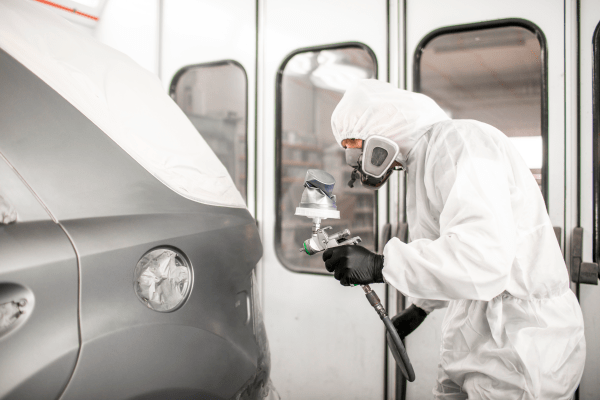
Class B hazards are present wherever flammable or combustible liquids are used, such as gasoline and diesel in fuel storage, solvents in painting and cleaning operations, acetylene in welding, and cooking oils in food service. If your facility handles flammable liquids in any meaningful quantity, you need extinguishers with adequate Class B ratings in those areas.
Critically, Class C hazards (energized electrical equipment) are present in virtually every commercial facility. Computers, electrical panels, servers, motors, and any other electrically powered device. The Class C rating requirement doesn’t mean you need a special type of extinguisher for electrical fires; it means your extinguisher’s agent must be electrically non-conductive. ABC dry chemical and CO₂ both carry Class C ratings.
Class D hazards (combustible metals) require specialized dry powder extinguishers and are specific to metalworking, battery manufacturing, and chemical industries. Most general commercial businesses do not have Class D hazards.
In addition, Class K hazards (cooking oils and fats) are present in any commercial kitchen that uses cooking appliances with oils or fats. Florida requires Class K extinguishers in commercial kitchen environments. Restaurants, cafeterias, food trucks, hotel kitchens. Class K is in addition to (not instead of) ABC extinguishers for the rest of the facility.
Step 2: Select the Right Agent Type
Once you’ve identified the fire classes, select the extinguishing agent that addresses those classes while considering secondary factors like residue impact and environmental concerns.
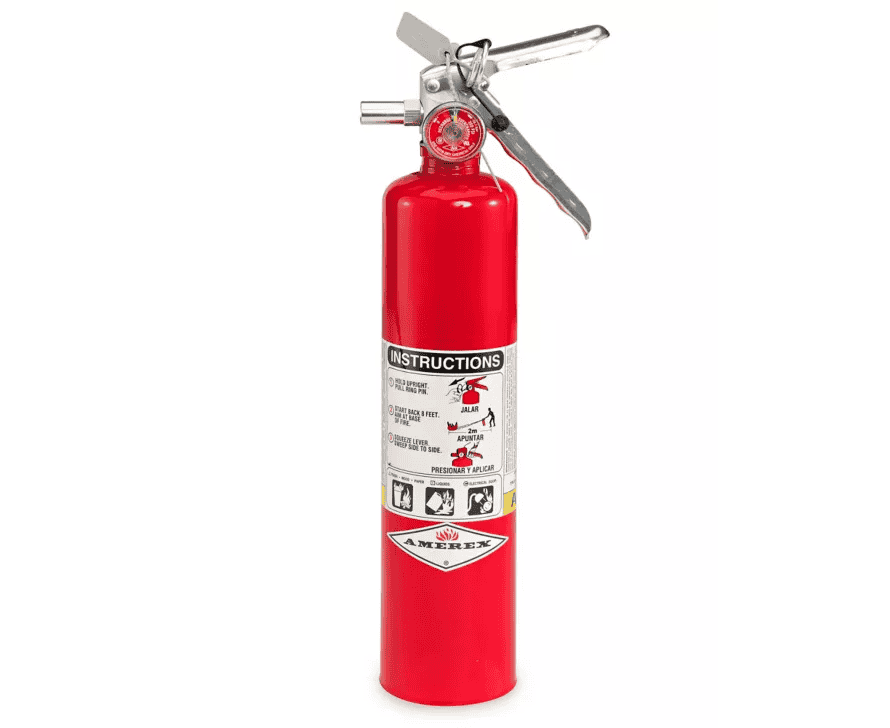
Notably, Above all, ABC Dry Chemical is the most versatile and widely used agent, addressing Class A, B. C fires with a single extinguisher. It’s the standard choice for most commercial facilities. Offices, retail, light manufacturing, restaurants (non-kitchen areas). The primary limitation is the dry chemical residue: monoammonium phosphate powder is mildly acidic and corrosive, particularly damaging to electronic equipment and metals when wet. Areas with significant electronic assets should consider supplementing or replacing ABC units with CO₂ or clean agent alternatives. ABC is cost-effective, widely available, and familiar to most users.
CO₂ addresses Class B and C fires with zero residue. It’s the preferred choice for server rooms, data centers, laboratory equipment, and anywhere that dry chemical residue would cause secondary damage worse than the fire itself. CO₂ is not effective for Class A fires. It provides no cooling to smoldering materials and dissipates quickly. Facilities that choose CO₂ for sensitive equipment areas should also maintain ABC units in general areas for Class A coverage. CO₂ requires more rigorous maintenance (annual weighing, 5-year hydrostatic testing) than ABC but provides superior protection for electronics.
Importantly, Class K Wet Chemical is the only appropriate choice for commercial kitchen cooking fires. ABC extinguishers are specifically NOT recommended for cooking fires. Dry chemical does not prevent re-ignition of cooking oils and can create a mess that complicates cleanup and inspection. Class K wet chemical is the code-required and practically superior choice for commercial kitchens.
Clean Agents (Halon, Halotron, Cleanguard/FK-5-1-12) provide zero-residue suppression of Class B and C fires, similar to CO₂ but with different performance characteristics. They work by chemical chain interruption rather than oxygen displacement, making them more effective in ventilated or open spaces where CO₂ would dissipate before suppressing the fire. Clean agents are more expensive than CO₂ but may be appropriate for high-value asset protection. Learn more about clean agent extinguishers.
Step 3: Determine the Required Rating
In addition, On top of that, NFPA 10 specifies minimum extinguisher ratings based on occupancy type. The rating tells you how much firefighting capability you’re getting. A 2-A extinguisher provides twice the Class A firefighting capability of a 1-A unit, and a 40-B covers roughly four times the flammable liquid surface area of a 10-B unit.
For most light-hazard commercial occupancies (offices, churches, schools), minimum ratings of 2-A:10-B:C are required. For ordinary-hazard occupancies (restaurants, light manufacturing, mercantile), 4-A:60-B:C is commonly specified. For construction sites, OSHA requires at least 2-A:10-B:C for general areas and 10-B:C for flammable liquid hazard areas. See our construction site requirement guide for complete details. For commercial kitchens, the Class K extinguisher must be rated and listed specifically for commercial cooking equipment protection per UL 300.
That said, Higher ratings provide more firefighting capability but also come in larger, heavier units. A balance must be struck between capability and usability. An extinguisher that’s too heavy for an average employee to handle effectively defeats its purpose. Most fire safety professionals recommend 5 lb to 10 lb ABC extinguishers (rated 2-A:10-B:C to 4-A:60-B:C) for general commercial use as the best balance of coverage and usability.
Step 4: Plan Placement for Coverage and Travel Distance
NFPA 10 specifies maximum travel distances to the nearest fire extinguisher, based on occupancy type and fire class. For Class A hazards in light hazard occupancies, no point should be more than 75 feet from the nearest 2-A-rated extinguisher. For Class B hazards, travel distances are shorter. Generally 30 to 50 feet depending on the hazard level. Class K extinguishers must be within 30 feet of the cooking appliance they protect.
In particular, Placement must also consider visibility and accessibility. Extinguishers should be mounted in visible locations, not hidden behind doors, curtains, or stored goods. They must be at the correct mounting height (typically with the handle no more than 5 feet from the floor for units 40 lb and under, and no more than 3.5 feet for heavier units). They should be near exits when possible, so that someone using an extinguisher is working toward an exit rather than into the building.
In multi-story buildings, at least one extinguisher should be provided on each floor. In large open areas, multiple extinguishers may be needed to satisfy travel distance requirements. Walk the space with a tape measure if you’re uncertain. It’s easier to add units during planning than to face a fire marshal citation during an inspection.
Step 5: Consider Size, Weight. User Capability
Keep in mind that The best fire extinguisher in the world is useless if the person who needs it can’t pick it up or operate it effectively. In determining extinguisher size for your facility, consider the physical capabilities of your staff. A 20 lb ABC extinguisher is rated 10-A:80-B:C and provides excellent coverage, but it weighs nearly 30 lbs when full. A genuine challenge for many employees to handle under the stress of an emergency. A 10 lb extinguisher rated 4-A:60-B:C may provide better practical coverage if it means everyone on your staff can actually use it.
For facilities with older employees, employees with physical limitations, or small retail spaces where a large unit would be impractical, 5 lb ABC extinguishers provide adequate coverage for light hazard occupancies and are far easier to handle. For high-hazard environments where maximum agent capacity is important, larger units and even wheeled extinguishers are appropriate. Wheeled fire extinguishers from Serviced Fire Equipment provide 50 lb to 350 lb of agent capacity for industrial and high-hazard applications.
Step 6: Ensure Compliance With Florida Requirements
Keep in mind: Florida businesses must comply with both NFPA 10 (adopted by reference in the Florida Fire Prevention Code) and any applicable OSHA standards. Key Florida-specific requirements include: annual inspection by a licensed fire equipment dealer (Florida State Fire Marshal certification required); service tags that include the technician’s license number and inspection date; Class K extinguishers in commercial kitchens. Compliance with NFPA 10 placement and rating minimums.
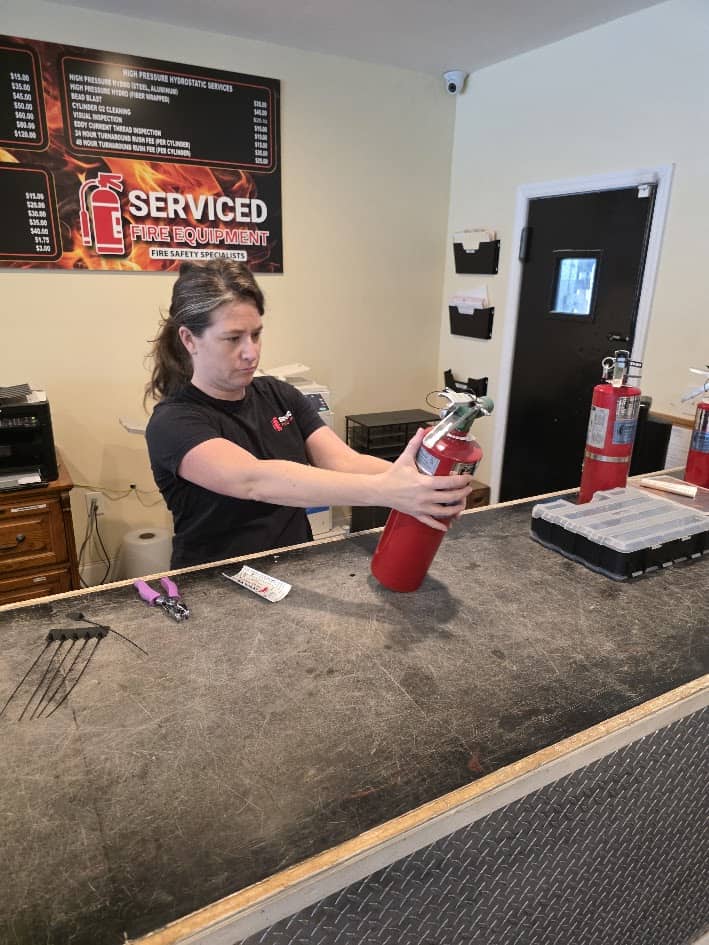
Businesses in St. Petersburg, Tampa, Clearwater, Largo, Seminole, Pinellas Park, Brandon, Riverview, Dunedin, Bradenton, Sarasota County, Pasco County, and Lakewood Ranch can work with Serviced Fire Equipment for extinguisher selection, supply, and ongoing maintenance. Our licensed technicians assess your facility, recommend the right extinguisher types and placement, and provide annual inspection and certification to keep your compliance current.
Walk-in service available. No appointment, no service call fees. Contact us today to discuss your fire extinguisher selection needs.
Not Sure What Type You Need? Walk In — We'll Help.
All types in-stock. Our licensed technicians will match the right extinguisher for your specific hazard, space, and occupancy.
CALL (727) 620-3473 — WALK-IN SERVICE3200 62nd Ave N, St. Petersburg, FL · Mon–Fri · All Types In-Stock