Fire extinguishers are situated nearly everywhere, but not all people know the symbols used on them. These symbols provide certain safety guidelines and indicate which fires an extinguisher can deal with. Since the fire is contagious, you can act fast and make safe decisions after identifying such indications. This is a guide that explains symbols in an easy manner.
Why Fire Extinguisher Symbols Matter?
The fire extinguisher symbols are not only labels. They offer vital details to save life as well as property during an emergency. Being aware of such symbols will assist you in being fast and right without speculation.
- Rapid Recognition: The extinguisher has symbols, which reveal the type of fire it can overcome instantly.
- Standardized Understanding: Symbols are universal to the brand and are easily recognized by anyone.
- Time-Saving: There is no need to spend time reading lengthy instructions during an emergency symbols make the message understood.
- Training Aid: Sign simplifies and makes fire safety training easier.
How does the RACE Acronym Support Fire Safety?
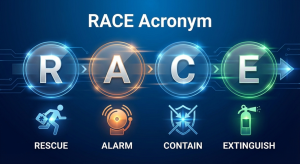
The RACE acronym represents an easy rule to follow in order to be safe in case of a fire. It helps you to keep relaxed and do the correct things one by one, minimizing panic and errors.
- Rescue: Move someone who is under threat to a safe place.
- Alarm: Switch on the fire alarm or call the police.
- Confine: Keep doors and windows shut to the area containing the fire and avoid its spreading.
- Extinguish or Evacuate: Fight the fire only if it is small and safely controllable otherwise, evacuate at night.
What are the Different Classes of Fire Symbols?
Fire class symbols help you save time on determining the type of fire and the extinguisher to apply. Classes of fires are indicated by a letter and a symbol, which indicate types of burning materials.
Class A Fires
These include the common burning materials such as paper, wood, and cloth. Fire extinguishers normally utilise foam or water to extinguish the blaze.
Class B Fires
Fire flames deal with flammable substances like oil, gasoline, or paint. One should not use water, but foam or dry powder extinguishers are the best.
Class C Fires
Include electrical equipment, such as wiring or appliances. Only non-conducting agents such as CO2 or dry powder should be utilized.
Class D Fires
Combustible metals used in these fires are magnesium or titanium. Special dry powder extinguishers are necessary.
Class K Fires
These happen in kitchens and entail cooking oils or grease. To safely cool and put out these fires, wet chemical extinguishers are created.
What Do the Different Labels on a Fire Extinguisher Mean?
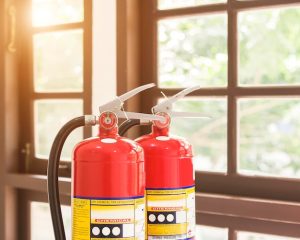
Fire extinguisher labels indicate the fire types that the extinguisher is able to deal with. This can be indicated quickly by letters and pictures, e.g., a trash can, which means paper or wood fires, and a flame signifies flammable liquids. These signs will make you choose the right extinguisher promptly and be secure.
How Extinguisher Symbols Prevent Costly Errors?
By displaying the right extinguisher, the symbols of the extinguisher prevent incidents. Standardized symbols cause the correct type to be readily identified across brands and enable people and property to be safe.
- Avoid Mistakes: Stop water use on electrical or grease fires.
- Easy Recognition: Same symbols on all brands.
- Faster Training: Makes training easier.
- Limit Damage: Correct use controls fire spread.
- Save Lives: Provides a safe response in cases of emergency.
When to Search for Fire Extinguisher Recharge Near Me
Even the right extinguisher will not serve when it is empty. This is why people tend to find a fire extinguisher recharge near me.
Recharge services fill and service extinguishers. This makes them work during emergencies. In addition, frequent recharging makes you stick to safety regulations.
Then, in case your extinguisher was utilized or expired, it is a good idea to recharge it.
Why Serviced Fire Equipment Is a Trusted Choice
Serviced Fire Equipment in St. Petersburg, Florida, is a trusted option, as far as fire safety is concerned. Our services include walk-in extinguishers within the Tampa Bay region and refurbished extinguishers supplied to dealers around the country. Moreover, we offer CO2 refilling, hydrostatic testing, and kitchen fire systems, which allow companies to be safe, save time, and money.
Conclusion
Small symbols such as fire extinguishers are essential. They make quick decisions in times of crisis. Knowing them enables you to lower the risk and enhance the safety. Moreover, when adding the knowledge of symbols to appropriate servicing, you have your fire protection on alert.
FAQ
Q1: Why are fire extinguisher symbols important?
Fire extinguisher symbols show which fire classes an extinguisher can safely control. They help users act quickly in emergencies, prevent misuse on dangerous fires, and ensure compliance with safety standards in workplaces, homes, and public facilities, and buildings worldwide.
Q2: Are extinguisher symbols the same everywhere?
Most fire extinguisher symbols follow international standards, making them widely recognizable. However, slight variations exist between countries or manufacturers, such as colors or labeling styles. Always review local regulations and the extinguisher label to ensure proper understanding and usage.
Q3: What Is a Class C Fire Extinguisher Used For?
A class c fire extinguisher is designed to control fires involving energized electrical equipment. It uses non-conductive agents to suppress flames without electricity conduction, making a class c fire extinguisher essential for offices, data centers, workshops, and homes safely.
Q4: Can I use one extinguisher for all fires?
No single extinguisher works safely on every fire. Different fires involve materials like wood, liquids, gases, or electricity, each requiring a specific extinguisher type. Using the wrong one can worsen the fire or cause serious injury and property damage.
Q5: How often should extinguishers be serviced?
Fire extinguishers should be visually inspected monthly to ensure readiness. Professional servicing is typically required once a year, with additional maintenance after use or damage. Regular servicing confirms pressure, condition and compliance with fire safety regulations and local codes.
Q6: How Do You Identify the Meaning of a Fire Extinguisher Sign?
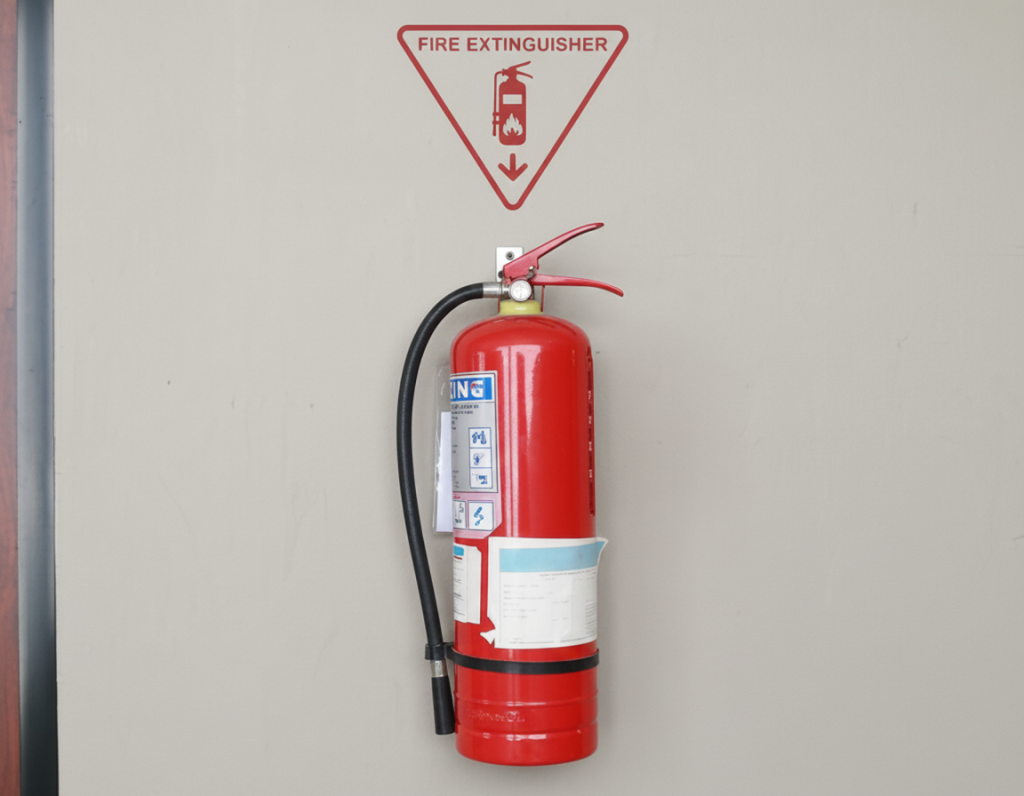
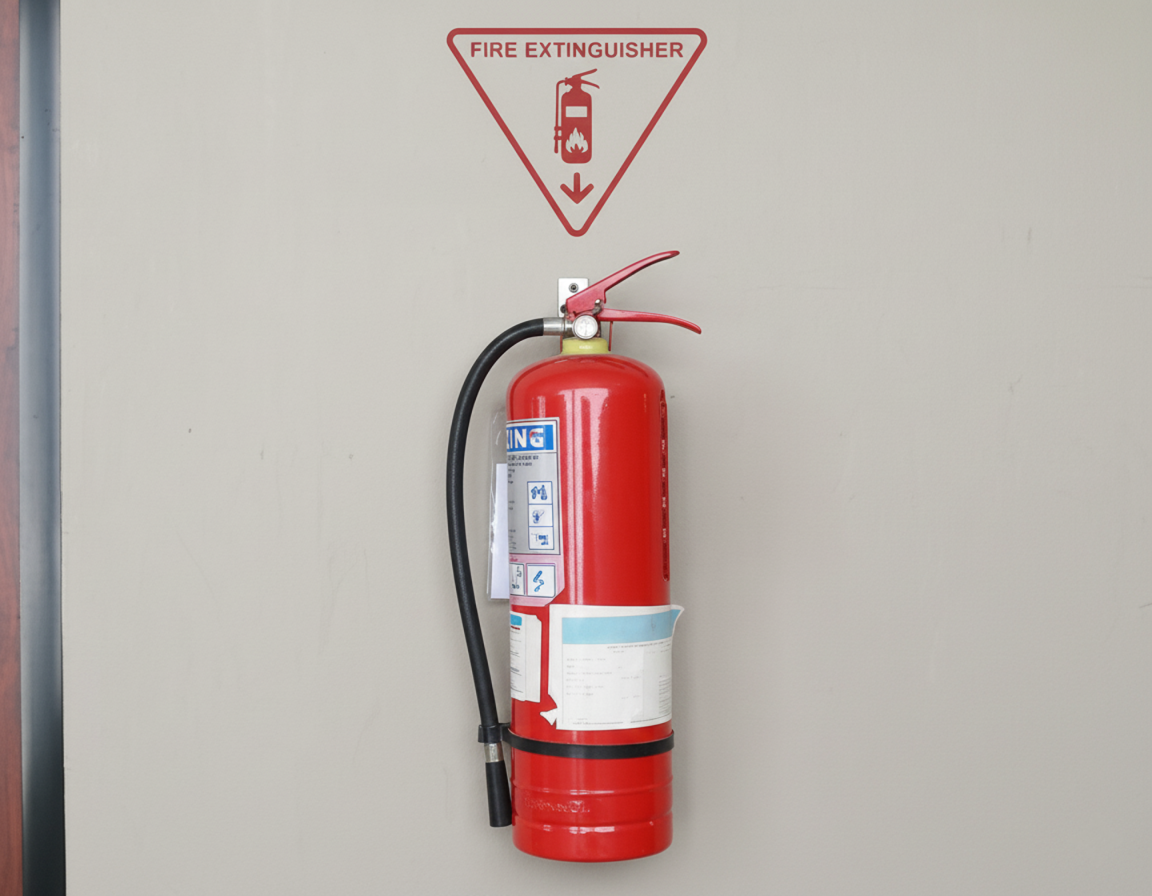
You can identify the meaning of a fire extinguisher sign by looking for a red symbol that shows the location of a fire extinguisher. It helps people quickly find the equipment during emergencies, ensuring faster response and improved safety in the area.