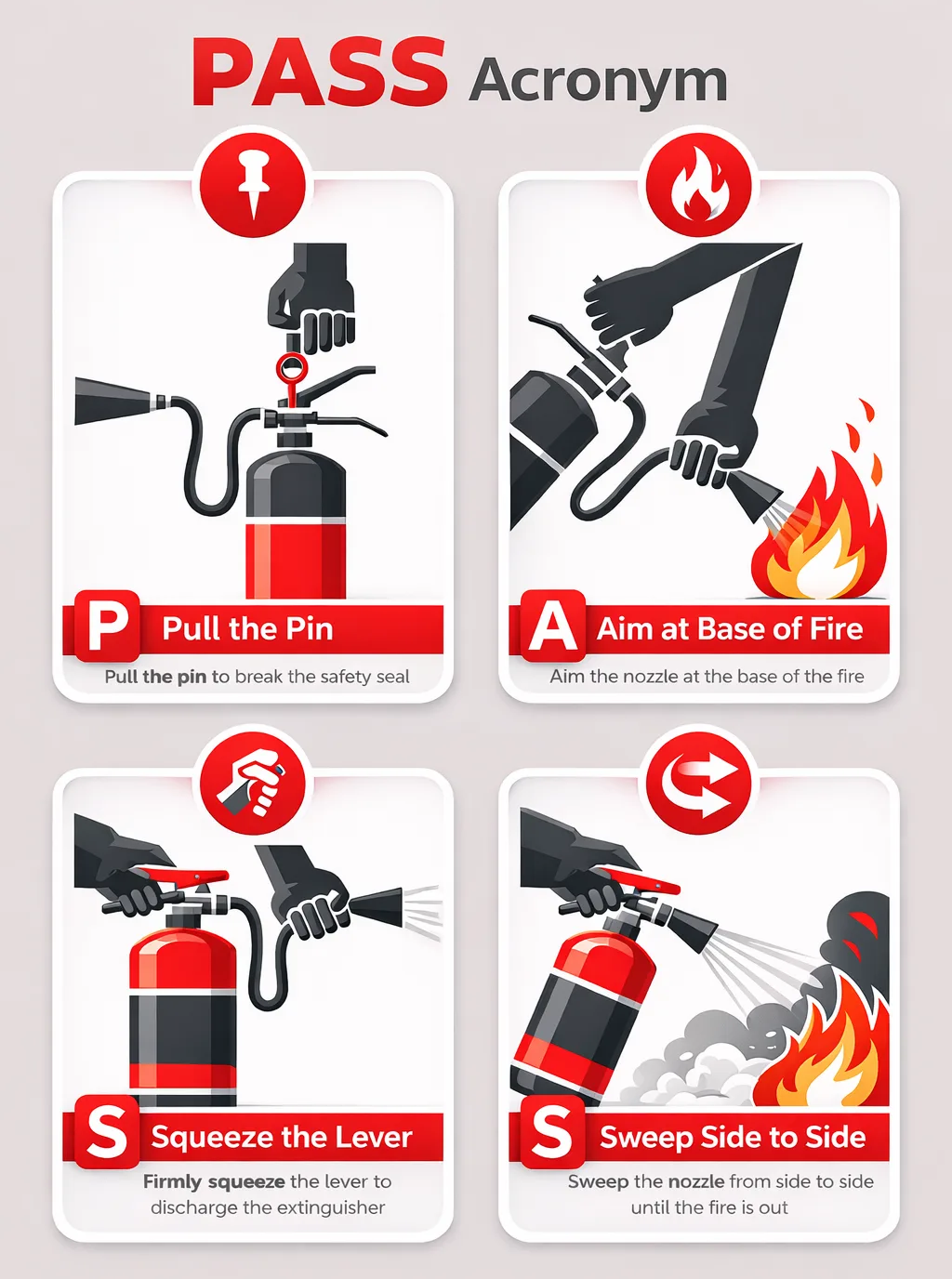
Fire emergencies are certainly terrifying and disorderly. Your brain seeks simple and easy-to-recall steps in times of great stress in order to keep itself safe. Though most have seen a fire extinguisher hanging on the wall, few are bold enough to utilize one. This is where the PASS technique enters the conversation. This article will help you protect your property and those closest to you by clarifying exactly what this abbreviation stands for and how it can be applied.
The First Step: Know Your Surroundings
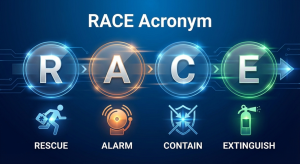
Taking a good measure of where you are and how the surroundings interact with your actions is the first step in dealing with an emergency competently. For firefighters, the RACE acronym is a standard response protocol that they are taught. What does it stand for? Rescue anyone in danger if you are able to and alarm the authorities or people you trust to take care of the situation. Confine the fire by closing all doors and finally extinguish the flames or evacuate.
Your own consideration always comes first. Only try to tackle a fire if you can manage the situation well. Always make sure there is an escape route right behind you if you ever need to run away. If the fire is raging with speed or if the smoke is too dense and toxic, get away as fast as possible and wait for the authorities to arrive. If you choose to stay behind, you will need to know what does PASS stand for, to face the circumstance in your best spirit.
What Does the Acronym PASS Stand for?
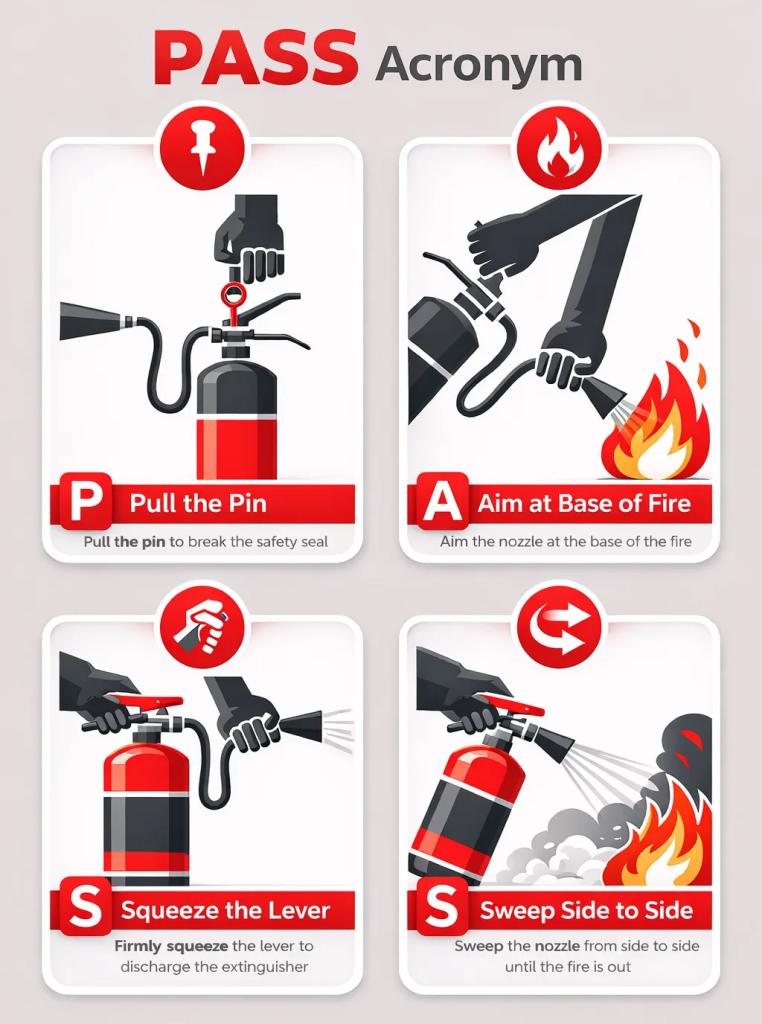
The PASS system is a four-step process that helps fire extinguisher use become second nature. Each letter stands for a very specific thing you have to do. All the steps are necessary in order to maximize the extinguishing agent’s effectiveness inside the canister.
P – Pull the Pin
Every fire extinguisher has a small metal pin inserted into the handle. This pin acts as a safety lock to prevent the handle from being squeezed accidentally.
- Locate the pull pin near the top of the unit.
- Pull it straight out to break the plastic tamper seal.
- Once the pin is out, the extinguisher is ready to be discharged.
A – Aim Low
Many people make the mistake of aiming at the top of the flames. However, fire is fueled at the base.
- Point the nozzle or hose at the very bottom of the fire.
- Keep your distance based on the instructions on the label.
- Aiming low ensures the chemical or foam hits the fuel source rather than just blowing through the smoke.
S – Squeeze the Lever
To release the extinguishing agent, you must apply firm and steady pressure to the handle.
- Grip the handle tightly.
- Squeeze the lever slowly.
- This opens the internal valve and pushes the contents out through the nozzle.
S – Sweep from Side to Side
Do not just spray in one spot. You need to cover the entire area of the fuel.
- Move the nozzle in a sweeping motion across the base of the fire.
- Keep spraying until the fire appears to be completely out.
- Watch the area closely in case the fire flares back up.
Why the PASS Acronym Fire Method Works
The beauty of this system is its simplicity. In a high-pressure environment, complex instructions are hard to follow. The PASS acronym reduces a technical task into four physical movements that anyone can master with a little bit of practice.
| Step | Action | Why is it important |
| Pull | Remove Pin | Unlocks the trigger mechanism. |
| Aim | Point at Base | Hits the fuel source of the fire. |
| Squeeze | Press Lever | Discharges the extinguishing agent. |
| Sweep | Side to Side | Covers the entire burning surface. |
Essential Safety Tips for Fire Extinguisher Use
Knowing what the acronyms PASS stand for is crucial, but the rules of engagement also need to be at your disposal. Follow these recommendations for safety so that you do not inadvertently put yourself in danger.
- Check the Pressure: Check your extinguisher’s pressure gauge once a month. The needle always falls in the green zone.
- Know Your Fire Type: Various extinguishers are made for particular kinds of fire. While a Class ABC extinguisher is used for ordinary wood and paper fires, a Class K is meant for grease fires.
- Keep Your Back to the Exit: Keep your back facing the exit away from the fire’s location. You ought always be able to escape.
- Call for Help First: Before you begin using the PASS acronym fire steps, call 911 or your neighborhood emergency number, even if the fire seems insignificant.
Professional Fire Extinguisher Service
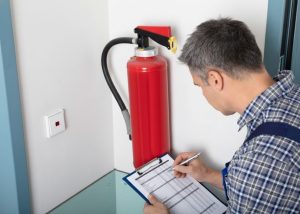
You also have to make sure the gear actually works when you need it. The pressure within a canister may seep out over time or the chemical powder may compact and settle. That’s one reason regular fire extinguisher service is a legal requirement for businesses and a smart safety decision for homeowners.
A service tech will inspect seals, pressure and make sure hydrostatic testing that the metal tank is still strong. If you’ve used your extinguisher recently, even just for a few seconds, it needs to be recharged. A used extinguisher loses its pressure naturally and will be useless during the next emergency.
When to Seek Professional Help
- After any discharge or use of the unit.
- If the pressure gauge needle moves into the red zone.
- If the hose is cracked or the nozzle is blocked by debris.
- Once a year for a standard safety inspection and tagging.
Conclusion
Knowing what the acronym PASS stands for is an elemental piece of basic safety. Remembering to Pull, Aim and Squeeze Sweep gives you the best chance of stopping a small fire from becoming a catastrophe. Pair this knowledge with proactive maintenance from a trusted provider to safeguard your home or business at all times. Be alert, be prepared and always choose your own safety over property.
FAQ
Q1: What Does the Acronym PASS Stand for in Fire Safety?
The acronym PASS is a simple step-by-step guide used for operating a fire extinguisher safely and effectively. It stands for Pull the pin to unlock the extinguisher, Aim the nozzle at the base of the fire not the flames, Squeeze the handle to release the extinguishing agent and Sweep the nozzle from side to side to fully cover and put out the fire. This method helps ensure you act quickly and correctly during an emergency, reducing the risk of the fire spreading.
Q2: What Are the Different Fire Classes Explained Simply?
Understanding the classes of fires helps you respond correctly. Fires are categorized as Class A ordinary materials, Class B flammable liquids, Class C electrical, Class D metals and Class K cooking oils, each requiring specific extinguishing methods for safety.
Q3: Why Should Children Be Educated About the PASS Method?
Introducing the PASS method to children creates a foundation for lifelong fire safety habits. It helps them remain calm, think clearly and respond in a safe and controlled manner during emergencies.