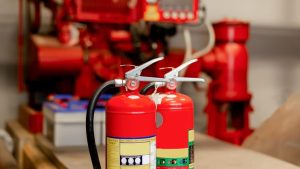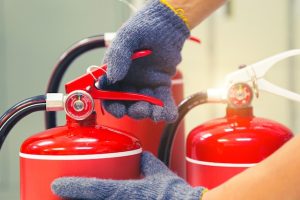
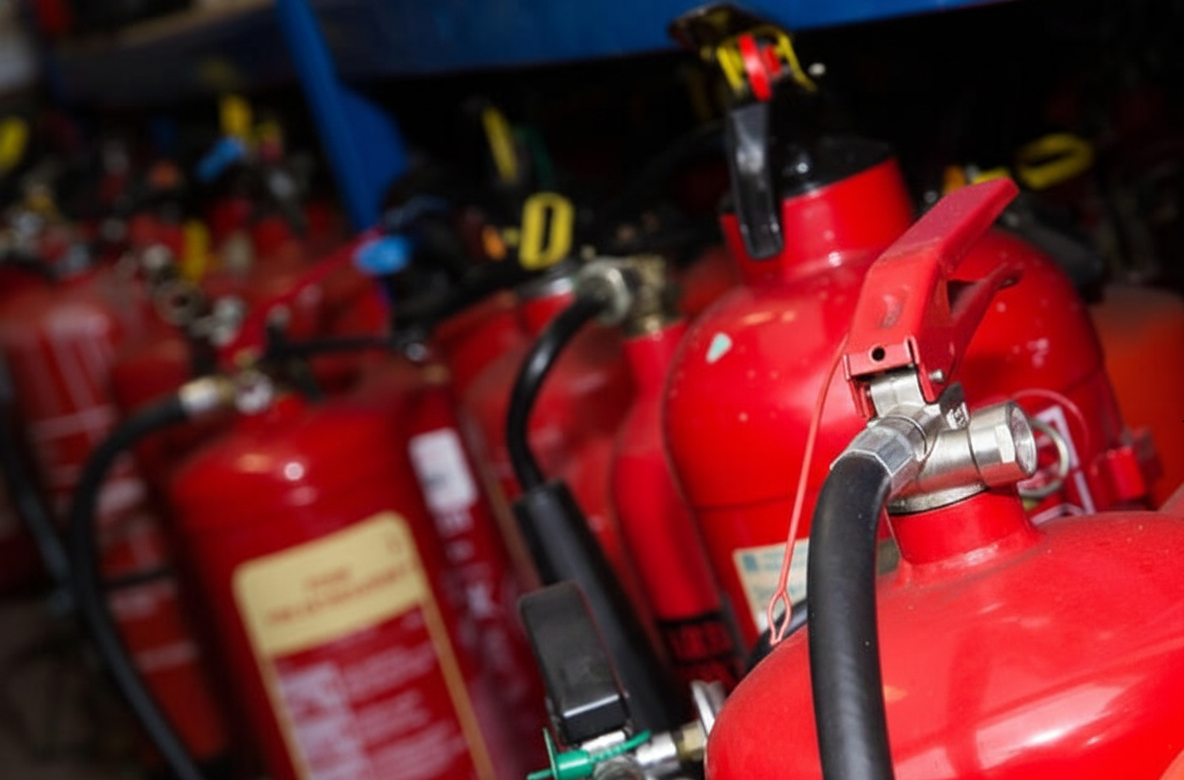
Fire equipment requires proper servicing and testing to ensure it is in proper condition, and in a catastrophe, you will remain safe. Hydrostatic testing for fire extinguishers is a crucial safety process in which all parts of your fire equipment are tested by flushing cylinders with pressurized liquid to assess their strength and expansion, check for leaks, and verify the integrity of hoses, nozzles, and hydrants. Read below to understand in detail why a hydrostatic test is a must for your safety equipment and how it is conducted.
How Often Should Hydrostatic Testing Be Conducted?
It is essential that you conduct hydrostatic testing services at the intervals recommended by regulatory bodies, as it ensures that your fire equipment is in proper condition and that you remain safe at all times. According to DOT regulations, read below to learn when your cylinders must undergo hydrostatic testing.
- DOT-3AL gas cylinders: Must be tested every 5 years and have an unlimited service life.
- DOT-3HT gas cylinders: Must be tested every 3 years and have a service life of 24 years
- DOT-3AA gas cylinders: Must undergo hydrostatic testing after 5 years
The frequency of hydrostatic testing also depends upon the type of fire extinguisher, for example, a pressurised water, carbon dioxide, and wet chemical extinguisher must be checked every 5 years and a dry chemical extinguisher every 12 years.
What is the Process of Hydrostatic Testing?
Most people confuse normal fire equipment testing with fire extinguisher hydrostatic testing, which is why they skip it. But it is essential that you understand their differences and why it needs to be done. Here is the complete hydrostatic testing process that will also help you understand why they are different and essential.
Visual Inspection
Whether during routine fire extinguisher inspections or hydrostatic testing, the first step is to visually verify that there are no signs of external damage, corrosion, major dents, or other defects. A proper visual inspection ensures the process can proceed.
Discharge
The next step is to discharge and depressurise the cylinder for testing. The hose of the cylinder is removed, and once it is depressurised, the cylinder’s valve is removed. When it is completely empty and has no traces of other components, the technician can proceed to the next steps.
Pressure Test
After the exterior analysis and discharge, the cylinder interior is to be inspected through a hydrostatic pump. To do so, the technician fills the cylinder with water to measure the internal pressure. Pressure is applied to the cylinder so that any leaks can be detected. A decrease in pressure clearly indicates that it cannot handle the pressure and needs to be replaced.
Precautions and Documentation
After testing the fire extinguisher for both internal and external compliance, hydrostatic testing can be performed by an expert technician, following all safety precautions. The extinguisher is returned to service after refilling, depending on the type of fire extinguisher. For example, if it is a CO2 fire extinguisher, the CO2 refill will be performed. After the test, it is essential that you maintain proper records and documents to ensure compliance.
Common Issue Found During Hydrostatic Testing
During hydrostatic testing, common issues often arise. Here is a list of common issues to help you maintain your fire safety equipment properly. If you notice any of these signs, you must consult a technician and conduct a test.
- Corroded and damaged piping due to moisture and chemicals, leading to corrosion and weakening of pipe walls.
- Ensure there are no loose connections, as they can cause slow leaks and become unusable when needed.
- It is often found that leakage at joints, caused by poor installation, thermal expansion, and aging materials, leads to pressure loss.
- The fire safety equipment also suffers loss due to blockages caused by Debris, fine dirt, and foreign material that clog the gas flow in the cylinders.
Why is it Important to Get Hydrostatic Testing Done?
Hydrostatic testing is essential for your fire safety equipment because it ensures the health of your fire safety equipment. Read below some of the reasons why it is essential that you get your fire safety equipment tested.
Ensures Safety
The only reason to install fire equipment is to ensure safety, and having your fire equipment hystatically tested and serviced at required intervals helps ensure that people and property remain safe during any fire emergency and that people can easily evacuate hazardous areas. Early detection of any issues with your equipment not only saves lives but also money, so that you don’t have to buy new equipment again.
Readiness and Reliability
Imagine you installed fire equipment, but during an emergency, it isn’t working. In such a situation, you will be left with nothing but regret. It’s essential that you not only install them but also have them properly tested. When you get your fire equipment hydrostatically tested, it checks pressure, leaks, strength, and all components of your equipment, ensuring they are reliable and ready to use.
Extens Lifespan
Proper hydrostatic testing of your fire equipment is also essential, so that, in case of corrosion, loose connections, leaks, or other issues, you are aware of them and can address them in time, which helps extend the lifespan of your fire equipment and saves you from spending extra money on your fire equipment.
Compliance and Safety Standards
There are standards set by regulatory bodies like NFPA to ensure that fire equipment installed remains in proper condition. Therefore, they provide clear guidance on when to have them tested. Meeting these requirements is necessary to remain compliant with applicable rules and safety standards. Making sure you don’t have to face any repercussions.
Want to Get Hydrostatic Testing Done?
Hydrostatic testing is essential for your fire extinguishers to ensure you remain protected from hazards and regulatory requirements. So, if you want hydrostatic testing for your fire equipment, you must consider Serviced Fire Equipment. They are a leading DOT-approved hydrostatic testing facility, with expertise in handling a wide variety of fire extinguisher cylinders and conducting proper tests, including for bulk fire extinguishers. Their customer-centric approach and dedicated services, which provide you with personalised support tailored to your specific needs, make them an ideal choice for you.
Conclusion
So now, as you know what hydrostatic testing is, what its process and why it is essential. You, yourself, would have analysed why it is necessary to get it done at the required intervals. A Proper hydrostatic test ensures that you and your fire requirements both remain in good condition and that you remain compliant with regulations. So make sure to get it done!
FAQs
Q1: What is the purpose of a hydrostatic test for a fire extinguisher?
The purpose of a fire extinguisher hydrostatic test is to ensure there is no external and internal damage to the fire extinguishers, and they are free from dents, leaks, corrosion, and have adequate pressure retention.
Q2: How long is the hydrostatic fire extinguisher test valid for?
The hydrostatic test for fire extinguishers is generally valid for 5 to 12 years. A hydrostatic test is required every 5 years for pressurised water, carbon dioxide, and wet chemical fire extinguishers, and every 12 years for dry chemical fire extinguishers.
Q3: What are the different types of hydrostatic testing techniques?
Common hydrostatic testing techniques include the water jacket method, the direct expansion method, and the proof pressure method to check the integrity and strength of the cylinders.
Q4: Is hydrostatic testing NDT?
Yes. A hydrostatic test is a standard non-destructive test that involves filling the pressure vessel with water to test the cylinder’s strength and ensure there are no leaks.