Whether in educational institutions, offices, housing societies, malls, hospitals, and more, installing appropriate fire extinguishers is essential to keep people safe at all times. But just installing them is not enough, a proper fire extinguisher inspection is also necessary so that, even in a fire, you can exit safely. The institutions must ensure that these inspections are conducted by certified fire safety professionals to verify compliance with applicable regulations. Delve into this blog to get a complete fire extinguisher inspection checklist!
How Does Fire Extinguisher Inspection Help You in Emergency Preparedness?
Problems always come unexpectedly, and you have no control over them. But if you stay prepared, you can handle them effortlessly. Regular fire extinguisher inspection is much more important than you might think it is. A proper inspection supports risk assessment, vulnerability identification, verification of operational functionality, ready access, and compliance with rules and regulations. There are different types of fire extinguishers available in the market, such as:
- A foam fire extinguisher is for class A and B fires, such as oil, paints, and petrol.
- The carbon dioxide fire extinguishers are primarily for class B and electrical fires.
- A dry-powder fire extinguisher can be used on electrical fires and on fires involving flammable gases.
- Class F fires are appropriately handled by a wet chemical fire extinguisher.
All these different types of fire extinguishers prepare you for various types of situations. Thus, choosing the right ones based on your location’s needs and having them properly inspected helps ensure optimal preparedness and safety.
Fire Extinguisher Inspection Checklist to Keep You Safe
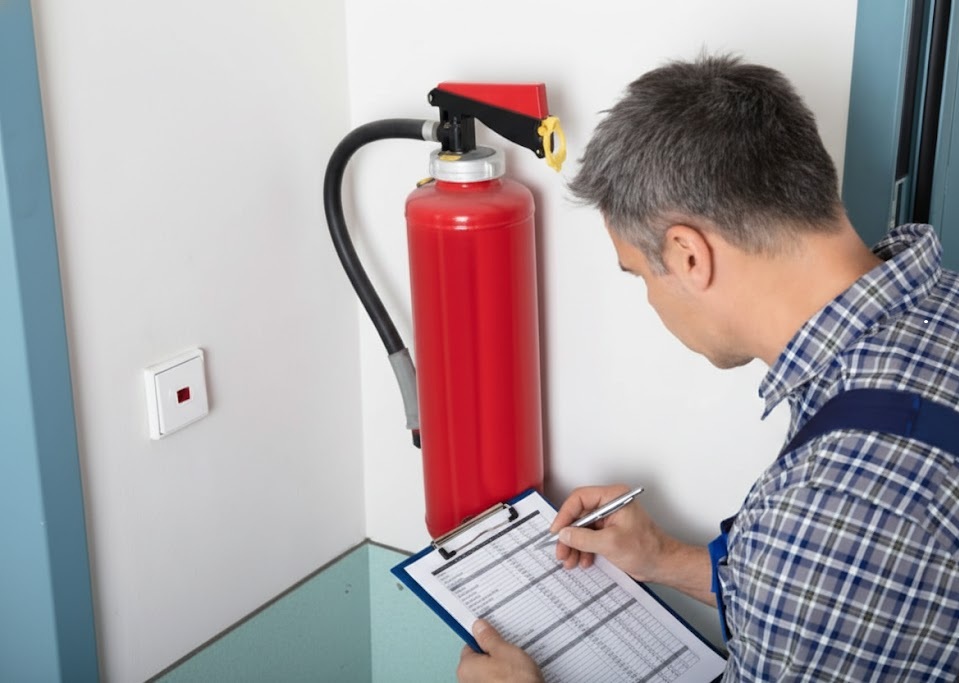
Conducting a fire extinguisher inspection is a proactive step towards mitigating fire-related risks. Fire extinguisher inspections must be carried out monthly by trained staff, annually by a professional, every 6 years by an internal examination, and every 5-12 years by hydrostatic testing. Fire extinguisher inspection costs for all of these vary significantly. All of these are essential from time to time, so whenever you look for a fire extinguisher inspection near me, keep this checklist in mind.
Accessibility and Visibility
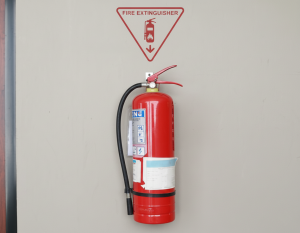
The first and foremost thing to check is that the fire extinguishers are visible and accessible. In an emergency, if you cannot access them, there is no point in having them. Make sure they are available at the right location. Provide appropriate signage to ensure they are easily located when required.
Pressure Gauge
It is essential to check the pressure gauge to determine whether it is fully charged. It helps ensure that the fire extinguisher is fully operational, pressurised, leak-free, and reliable for use during an emergency.
Physical Condition and Tamper
During inspection, the physical condition of a fire extinguisher must be verified to ensure it is in good condition and shows no signs of damage, such as dents, corrosion, or leaks. The tamper seals and safety pins help in confirming that they are not damaged or mishandled. Also, ensure the operating instructions are legible.
Hose and Nozzle
Inspecting the hose and nozzle and verifying that they are connected is necessary. Nozzles can become clogged, and hoses can become brittle and cracked. Thus, the inspection confirms that they are not blocked or leaked and are free from obstructions. It is also essential to comply with safety regulations.
Weight Check
A weight check during inspection is crucial to confirm that there has been no leak or discharge. Although the pressure gauge also helps, a weight check is the only way to confirm the pressure for some extinguishers, such as carbon dioxide or dry chemical, which are primarily used as electrical fire extinguishers.
Inspection Tag and Servicing
Fire extinguisher inspection tags must be reviewed to know the latest professional inspections, which need to be done every year. But if the tag reflects a period longer than a year, it must be checked and serviced immediately.
Mounting and Bracket Security
The fire extinguishers need to be properly mounted and bracketed. During an inspection, it is confirmed that the fire extinguisher is properly mounted at a reachable height and that the mounting bracket is stable and securely holds it.
Maintenance Due Date
A fire extinguisher must be properly maintained to remain effective during an emergency. Regular fire extinguisher inspections are a key indicator of the maintenance due date and when maintenance is required. To stay compliant, regular maintenance is essential to meet established standards.
Common Compliance Mistakes To Avoid During Fire Extinguisher Inspection
Sometimes small mistakes keep piling up to a big disaster, and at that time, one is just left with regret and nothing else. So, don’t do so by skipping your fire extinguisher’s inspection. Reports suggest that portable fire extinguishers account for suppressing 93% of blazes. So, while you have a fire extinguisher inspected, avoid these compliance mistakes to be compliant with all the fire extinguisher inspection rules and regulations.
- Skipping scheduled testing and recertification
- Ignoring pressure irregularities
- Using non-certified refill services
- Ignoring fire extinguisher inspection tags
- Neglecting the expiry date of the fire extinguisher
- Using the wrong type or size
Want to Get Serviced Fire Equipment? Look at How You Can Get It.
You need properly serviced fire equipment and reliable partners who can service it on time, keeping your safety in mind while you focus on your work. You can certainly have it with Serviced Fire Equipment. They make sure your operations run seamlessly while managing your fire safety devices, ensuring they meet industry standards and are legally permitted for placement anywhere. By offering you a wide range of services like hydrostatic testing services, fire extinguisher cabinets and rentals, kitchen fire and paint booth fire suppression systems, and much more being your one-stop solution for all your requirements.
Conclusion
A fire extinguisher inspection not only ensures that they are in a proper condition, but it also ensures that you will remain safe in any condition. Thus, you must conduct regular inspections to remain compliant and protected. Whenever you conduct one, keep this checklist in mind to improve the process.
FAQs
Q1: How often do fire extinguishers require inspections?
A fire extinguisher requires monthly visual inspection, an annual professional inspection, a 6-year internal inspection and hydrostatic testing every 6-12 years.
Q2: What are the different types of fire extinguishers?
There are typically seven types of fire extinguishers: water, foam, carbon dioxide, dry powder, wet chemical, water mist, and special dry powder.
Q3:What is the lifespan of a fire extinguisher?
A fire extinguisher typically has a life span of 10-12 years. However, it also depends on its type and maintenance. Look at manufacture date on the extinguisher to determine how old it is.